Skip to Content
Exit

Tag Archive: manufacturing

  1. Metal Fabrication 101: Choosing the Right Material for the Job

    Comments Off on Metal Fabrication 101: Choosing the Right Material for the Job
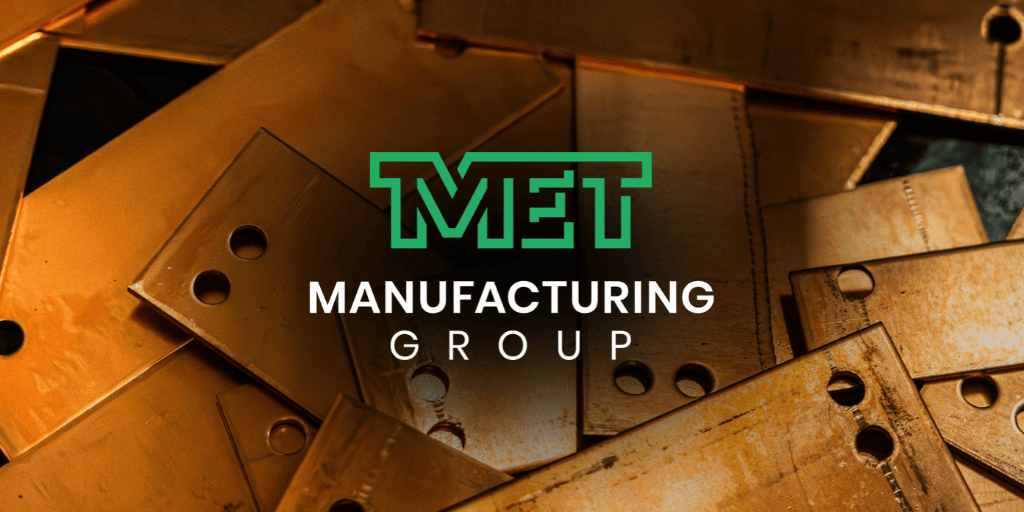
    metal plates with MET logo overlay

    Choosing the right material is one of the most important decisions in any fabrication project. The metal you select affects how a part performs, its longevity, and how much it costs to manufacture.

    Because every application is different, there is no one-size-fits-all solution. Selecting the right material starts with understanding the part’s purpose, operating environment, and performance requirements.

    You might be wondering, how do manufacturers determine the best material? Let’s dive into the process.

    Material Selection Starts with the Drawing

    Before a manufacturer can recommend a material, they need to understand the part itself. So, the process usually starts with the drawing.

    A drawing provides dimensions, but also insights into how the part is designed, what it’s expected to do, and what challenges it may face throughout its life.

    Several factors help guide the material selection process.

    Part Geometry

    The shape of a part matters more than many people realize.

    A simple bracket and a highly detailed component may require very different manufacturing methods. Parts with tight tolerances, intricate features, or complex profiles sometimes need materials that work particularly well with precision manufacturing processes.

    Thickness Requirements

    Thickness can affect both the performance of a part and how it’s manufactured.

    Thicker materials may be needed for strength and durability, while thinner materials can help reduce weight, lower material usage, and improve efficiency in certain applications.

    Performance Expectations

    Every part has a purpose.

    Some components need to handle heavy loads. Others need to resist wear, maintain precise dimensions, or perform reliably over long periods of time. Understanding those expectations helps narrow down the best material options.

    Environmental Conditions

    Where will the part be used?

    Will it be exposed to rain, humidity, chemicals, salt, or outdoor conditions? Materials react differently to different environments, so understanding those conditions is critical to making the right choice.

    Industry Specifications

    Many industries have specific requirements for the materials they use.

    For example, aerospace, medical, defense, and electronics manufacturers often need materials that meet strict standards for performance, consistency, and quality.

    Cost Objectives

    Cost always plays a role in material selection.

    However, the goal isn’t simply to choose the least expensive option. It’s about finding a material that delivers the required performance while staying within budget and supporting long-term value.

    Once these factors are understood, manufacturers can compare material options and determine which one makes the most sense for the project.

    What Factors Influence Material Selection?

    No two projects are exactly alike, but there are several key questions manufacturers ask when evaluating materials.

    Strength Requirements

    How much stress will the part need to handle?

    Some components experience significant force, pressure, or repeated use throughout their life. In those cases, strength becomes one of the most important factors in the decision-making process.

    Weight Requirements

    In some industries, every ounce counts.

    Aerospace manufacturers, for example, are constantly looking for ways to reduce weight without sacrificing performance. Choosing a lighter material can improve efficiency and support overall product goals.

    Corrosion Resistance

    Will the part be exposed to moisture, chemicals, or outdoor conditions?

    If the answer is yes, corrosion resistance becomes important. A material that can resist rust and deterioration will typically last longer and require less maintenance over time.

    Temperature Exposure

    Some parts operate in extremely hot or cold environments.

    Not all materials respond to temperature the same way. Manufacturers must consider how heat or cold could affect performance, durability, and long-term reliability.

    Conductivity

    Some applications require a material that can transfer electricity or heat efficiently.

    This is especially common in electronics, electrical equipment, and telecommunications applications, where conductivity plays a direct role in product performance.

    Regulatory Requirements

    Many industries have regulations, certifications, or standards that influence material choices.

    Selecting materials that meet those requirements helps ensure product quality, reliability, and compliance.

    How Material Selection Impacts Manufacturing Performance

    Choosing the right material affects much more than the finished product. It can impact how quickly a part is produced, how consistently it performs, and how much the project costs from start to finish. When comparing materials, manufacturers often look at a combination of factors, including:
    • Strength
    • Weight
    • Corrosion resistance
    • Heat resistance
    • Electrical conductivity
    • Ease of manufacturing
    • Cost

    In most cases, there isn’t one perfect material. The best option is usually the one that provides the right balance between performance, manufacturability, and cost.

    Manufacturing Processes Matter, Too

    Even if a material performs well in the finished application, it still needs to work well during manufacturing. Depending on the project, that may mean compatibility with processes such as:
    • CNC machining
    • Laser cutting
    • Waterjet cutting
    • Sheet metal fabrication
    • Metal forming
    • Welding and assembly

    A material that’s difficult to cut, form, or process can increase production time and costs. That’s why manufacturers consider both the application requirements and the manufacturing process when making recommendations.

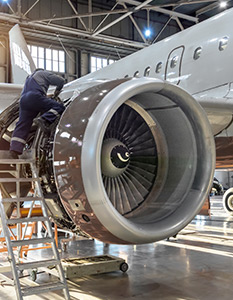
    Aerospace Manufacturing Applications

    Why Material Selection Matters

    In aerospace manufacturing, every component needs to be dependable. Parts must withstand demanding conditions while helping keep overall weight as low as possible.

    Even small reductions in weight can contribute to better efficiency and performance, which is why material selection plays such an important role.
    Aerospace

    Aluminum Alloys

    Common examples include:
    • 6061 Aluminum
    • 7075 Aluminum

    These alloys are frequently chosen because they offer a strong strength-to-weight ratio, making them a practical choice for many aerospace applications.

    Titanium Alloys

    Common examples include:
    • Grade 2 Titanium
    • Grade 5 Titanium (Ti-6Al-4V)

    Titanium is often used in demanding aerospace applications because it combines high strength with excellent corrosion resistance.

    Stainless Steel

    Common examples include:
    • 304 Stainless Steel
    • 316 Stainless Steel

    Stainless steel is frequently used when durability and corrosion resistance are top priorities.

    Medical Applications

    Why Material Selection Matters

    Medical components need to be dependable, precise, and easy to keep clean.

    Many applications also require materials that can hold up to repeated sterilization without losing performance.

    Medical

    Stainless Steel

    Common examples include:
    • 304 Stainless Steel
    • 316L Stainless Steel

    These materials are often selected for medical equipment because they hold up well in environments where cleanliness is essential.

    Titanium

    Common examples include:
    • Grade 2 Titanium
    • Grade 5 Titanium

    Titanium is valued for its combination of strength, durability, and corrosion resistance.

    Nickel Alloys

    Common examples include:
    • Inconel® alloys
    • Specialty medical alloys

    These materials are often used in specialized applications that require reliable performance under demanding conditions.

    Defense Applications

    Why Material Selection Matters

    Defense components are often expected to perform in tough environments where reliability is critical.

    Whether facing extreme weather, harsh operating conditions, or demanding field use, these parts must be built to last.

    Military/Defense

    Stainless Steel

    Common examples include:

    • 17-4 PH Stainless Steel
    • 316 Stainless Steel

    Aluminum Alloys

    Common examples include:

    • 6061 Aluminum
    • 7075 Aluminum

    Titanium Alloys

    Common examples include:
    • Grade 5 Titanium

    These materials are commonly used because they provide a combination of durability, environmental resistance, and long service life.

    Electronics and Telecommunications Applications

    Why Material Selection Matters

    Modern electronics and telecommunications equipment relies on small, precise components that need to perform consistently.

    In many cases, those parts must also meet specific electrical, thermal, and environmental requirements.

    Electrical

    Copper

    Common examples include:
    • Pure Copper
    • Beryllium Copper

    Copper is widely used because it is an excellent conductor of electricity.

    Stainless Steel

    Common examples include:
    • 304 Stainless Steel
    • 301 Stainless Steel

    Stainless steel is often selected when strength and corrosion resistance are important.

    Aluminum

    Common examples include:
    • 5052 Aluminum
    • 6061 Aluminum

    Aluminum offers a useful combination of light weight, durability, and corrosion resistance.

    When highly detailed components are required, precision manufacturing methods become especially important. MET Manufacturing Group uses photochemical etching to produce intricate metal components for industries including electronics, aerospace, and medical manufacturing.

    Why Different Industries Often Use the Same Metals

    One thing that surprises many people is that the same material can be used across several industries.

    The difference is usually the reason it’s being used.

    Stainless Steel

    Medical manufacturers often choose stainless steel because it’s clean and corrosion resistant.

    Aerospace manufacturers may use it because of its durability.

    Defense applications often rely on it for reliability in demanding environments.

    Electronics manufacturers may use it for structural components and assemblies.

    Aluminum Alloys

    In aerospace manufacturing, aluminum is often selected to help reduce weight.

    In electronics applications, it may be used to help manage heat.

    In telecommunications equipment, its corrosion resistance can make it a practical choice.

    That’s why there is no universal “best” material. The right choice always depends on the specific application.

    Partnering With MET for Material Selection and Metal Fabrication

    Selecting the right material is an important step, but it’s only part of the equation. Having an experienced manufacturing partner can help ensure material choices align with both design goals and production requirements. MET Manufacturing Group provides precision sheet metal solutions through photochemical etching, laser cutting, waterjet cutting, and other advanced fabrication processes. From prototype to production, we support projects across many industries. We support aerospace, medical, defense, electronics, electrical, and telecommunications, and many more. In addition to fabrication services, MET offers:
    • Photochemical etching
    • Laser cutting
    • Waterjet cutting
    • Forming
    • Finishing
    • Assembly
    • Value-added services

    By providing multiple manufacturing capabilities under one roof, MET helps customers move from concept to production more efficiently while maintaining a focus on quality, delivery, and customer support.

    Matching the Right Metal to the Right Industry

    The best material is one that fits the part, the environment, and the goals of the application.

    Whether the priority is reducing weight, resisting corrosion, improving conductivity, or meeting industry standards, material selection has a direct impact on performance, longevity, and overall cost.

    Just as important, the material must work well with the manufacturing process. When the right material and fabrication method come together, the result is a more efficient production process and a better-performing finished product.

    Working with an experienced manufacturing partner can help simplify that decision-making process and ensure your project starts on the right foundation.

    Need Help Selecting the Right Material?

    Whether you’re developing a prototype or preparing for full-scale production, MET Manufacturing Group can help you evaluate your options and identify the right material for your application. Contact the MET team to discuss your project and find a solution that supports your performance, manufacturing, and production goals.

  2. Ultimate MIG Welding Guide Made Simple

    Comments Off on Ultimate MIG Welding Guide Made Simple

    When you need strong, reliable welds, MIG welding often tops the list of options. Whether you’re designing components for aerospace systems, automotive assemblies, or medical devices, understanding what MIG welding is used for can help you make smarter decisions about your next project.

    This guide breaks down MIG welding fundamentals, explores its most common applications, and helps you determine when it’s the right choice for your manufacturing needs.

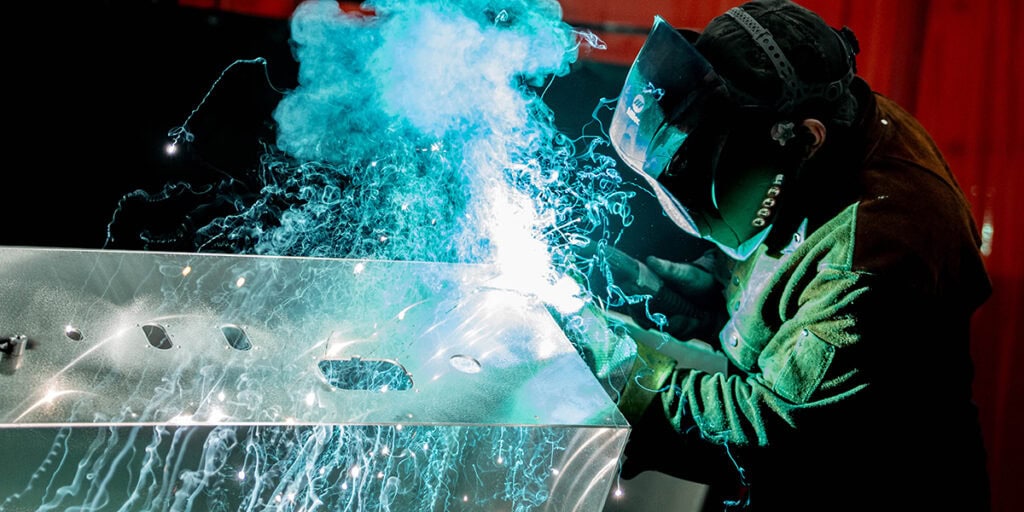
    sparks flying from welding process

    What Is MIG Welding?

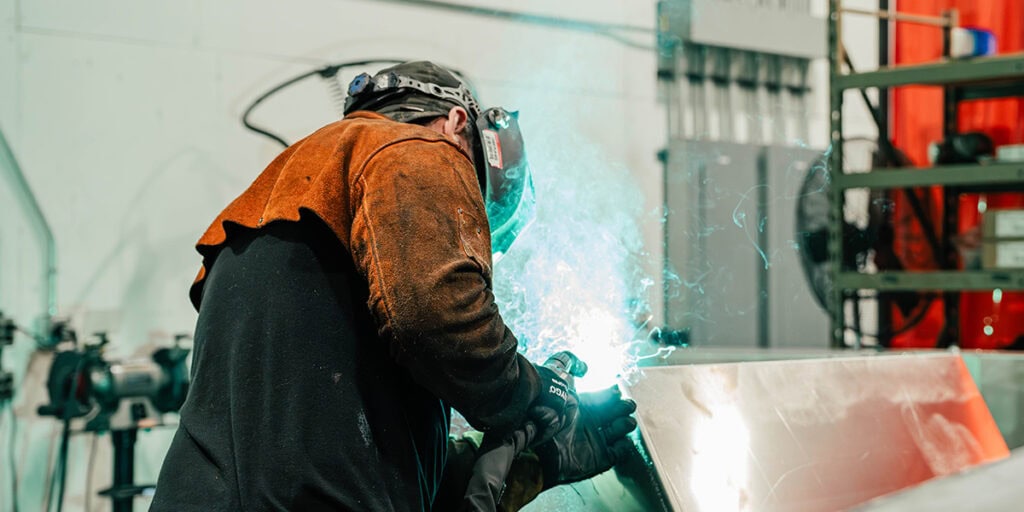
    MIG welding stands for Metal Inert Gas welding, though it’s also known as Gas Metal Arc Welding (GMAW). The process uses a continuously fed wire electrode and a shielding gas to create strong, clean welds.

    Here’s how it works: An electric arc forms between the wire electrode and the workpiece, melting both to create a weld pool. Meanwhile, an inert gas (typically argon, carbon dioxide, or a mixture) shields the weld from atmospheric contamination. This protection prevents oxidation and produces cleaner results.

    The process is semi-automatic or fully automatic, which means welders can maintain consistent feed rates and arc lengths throughout the weld. According to the American Welding Society, MIG welding ist the most widely used welding process in industrial manufacturing.

    Common MIG Welding Applications

    So, what is MIG welding used for in real-world manufacturing? The applications span nearly every major industry.

    Automotive Manufacturing

    MIG welding is the backbone of automotive production. Manufacturers rely on it for body panels, exhaust systems, frames, and structural components. The speed of MIG welding makes it ideal for high-volume production lines where efficiency matters.

    Aerospace Components

    Aircraft and spacecraft require welds that meet strict quality standards. MIG welding works well for aluminum alloys and other lightweight materials common in aerospace applications. The process delivers the precision and consistency these critical components demand.

    Medical Device Fabrication

    Medical equipment often requires stainless steel or aluminum components with clean, precise welds. MIG welding produces smooth finishes with minimal spatter, reducing post-weld cleanup and supporting compliance with medical industry standards.

    Defense and Military Equipment

    Military applications require durable, reliable welds that can withstand harsh conditions. MIG welding handles the thick materials and demanding specifications typical in defense manufacturing.

    General Industrial Fabrication

    From electronics enclosures to telecommunications equipment, MIG welding serves countless industrial applications. Its versatility across material types and thicknesses makes it a go-to process for custom fabrication projects.

    Materials Compatible with MIG Welding

    One reason MIG welding is so popular is its compatibility with multiple materials:

    • Carbon Steel: The most common material for MIG welding, used in structural applications and general fabrication
    • Stainless Steel: Ideal for corrosion-resistant components in medical, food processing, and chemical industries
    • Aluminum: Requires specific wire and gas combinations but produces excellent results for lightweight assemblies
    • Nickel Alloys: Used in high-temperature and corrosive environments

    Material thickness also affects MIG welding suitability. The process handles thin sheet metal through medium-thickness plates effectively, typically ranging from 24-gauge sheet up to about ½ inch thick.

    Key Benefits of MIG Welding

    Understanding the advantages helps you evaluate whether MIG welding fits your project requirements.

    Speed and Efficiency

    MIG welding is significantly faster than processes like TIG welding. The continuous wire feed eliminates stops for electrode changes, keeping production moving. For high-volume projects with tight timelines, this efficiency translates to real cost savings.

    Precision and Consistency

    Modern MIG welding equipment delivers repeatable results with tight tolerances. This consistency matters when you’re manufacturing components that must meet exact specifications across large production runs.

    Cleaner Welds

    The shielding gas protects the weld pool from contamination, resulting in less spatter and cleaner finished welds. This reduces post-weld grinding and cleanup, saving time and labor costs.

    Cost-Effectiveness

    Lower labor costs, faster production times, and reduced material waste make MIG welding economical for many applications. The process requires less operator skill than some alternatives, though quality still depends on proper technique and equipment setup.

    When to Choose MIG Welding vs. Other Methods

    Choose MIG welding when Consider TIG welding when
    Production volume is moderate to high
    Maximum precision and appearance matter most
    Speed and efficiency are priorities
    Working with thin or exotic materials
    Materials include steel, stainless steel, or aluminum
    Lower production volumes allow for slower speeds
    Weld aesthetics are important but not critical

    Consider other processes when:

    • Materials are extremely thick (may need flux-cored or stick welding)
    • Field conditions prevent proper shielding gas coverage

    Many manufacturing partners offer both manual and robotic MIG welding capabilities, allowing flexibility based on project scale and complexity.

    Making the Right Decision for Your Project

    Choosing the right welding process depends on several factors: material type and thickness, production volume, timeline, budget, and required weld quality. Working with an experienced manufacturing partner helps you navigate these decisions and avoid costly mistakes.

    Look for partners with certifications like ISO 9001:2015, which indicates robust quality management systems. RoHS compliance matters if your products will enter markets with environmental regulations.

    Next Steps

    Understanding what MIG welding is used for gives you a foundation for smarter fabrication decisions. Whether you’re prototyping a new design or scaling up production, the right welding process—and the right manufacturing partner—can make all the difference.

    Ready to discuss your next welding project? Request a Quote to connect with experienced engineers who can help you explore how MIG welding might deliver precision results for your application.

  3. From Hand to Machine: MET’s Welding Services

    Comments Off on From Hand to Machine: MET’s Welding Services

    At MET Manufacturing Group, we combine decades of hands-on experience with cutting-edge robotic technology to deliver superior welding services tailored to meet diverse project needs. Whether your project requires artisan-level craftsmanship or high-volume automated consistency, our manual and robotic welding capabilities ensure precise, reliable results across automotive, aerospace, medical, and defense industries.

    sparks flying from welding process

    Introduction to Welding Services at MET Manufacturing

    Our expertise blends traditional craftsmanship with modern technology, ensuring each project meets the highest quality standards. With both manual and robotic welding offerings, we customize solutions to match the unique demands of every client. We’re proud to adhere to stringent certifications such as ISO 9001:2015 and RoHS compliance, reinforcing our commitment to quality, precision tolerances, and client success.

    Understanding Manual Welding: The Human Touch

    Manual welding remains essential when precision and customization are required. At MET Manufacturing, our skilled technicians operate state-of-the-art Lincoln Powerwave 300c welders, mastering techniques across a variety of materials including aluminum, steel, and stainless steel. This hands-on process is ideal for applications such as custom prototyping, specialty repairs, and small batch manufacturing.

    Customers benefit greatly from direct engagement with our manual welding experts. This collaboration facilitates hands-on testing and ensures exacting tolerances are met. For example, automotive bracket prototypes often require the nuanced adjustments a seasoned welder can provide, while aerospace assemblies demand meticulous attention to detail for critical safety compliance.

    Robotic Welding: Automated Consistency and Efficiency

    As manufacturing trends shift toward automation, MET Manufacturing is proud to incorporate advanced robotic welding solutions. Our Lincoln Electric Cooper Welding Cobot is designed for collaborative use, allowing safe interaction between human operators and robots. This technology enables rapid setup and programming to tackle complex welds with consistent precision.

    Robotic welding offers significant advantages including uniform quality, fast turnaround, reduced per-unit costs, and minimized material waste. These benefits are especially valuable in high-volume sectors like automotive, electronics, and defense, where repeatability and scalability are paramount. For instance, automotive manufacturers rely on robotic systems to produce rugged components with exacting durability standards.

    Materials and Industries Served

    MET Manufacturing is equipped to weld steel, aluminum, and stainless steel—metals commonly demanded by our key industries. Each sector presents unique welding challenges:

    Automotive

    Requires rugged, durable components that withstand heavy use

    Aerospace

    Needs extreme precision and regulatory compliance for safe assembly

    Medical Devices

    Demands clean, precise welds for enclosures and instruments

    Military and Defense

    Calls for the highest quality standards and reliability under harsh conditions

    Our team understands these demands and is dedicated to meeting or exceeding industry standards and customer specifications every time.

    Choosing Between Manual and Robotic Welding: Which is Right for Your Project?

    Determining whether manual or robotic welding fits your project depends on several factors:

    • Volume and Scale: Larger productions benefit from robotic consistency
    • Complexity and Precision: Highly customized or intricate welds often require manual skill
    • Project Timeline and Budget: Robots can accelerate high-volume runs, manual welding offers flexible timing for prototypes
    • Customization: Manual welding allows artisanship, robotic systems deliver repeatable quality

    Often, the best solution leverages both approaches—combining the craftsmanship of manual welding with the efficiency and uniformity of automation. Our engineering team works closely with you to recommend the right mix.

    Why Partner with MET Manufacturing Group for Your Welding Needs?

    Choosing MET Manufacturing Group means partnering with industry veterans who blend experience and innovation. Our quality assurance is backed by ISO 9001:2015 certification and RoHS compliance, giving you confidence in every weld. Transparent communication and engineer-client collaboration make project execution stress-free, delivering precise tolerances and reliable results every time.

    We are committed to continuous improvement, integrating advanced technology like the Lincoln Powerwave 300c and Cooper Welding Cobot to stay ahead in manufacturing excellence.

    Ready to Elevate Your Welding Projects?

    Discover how MET Manufacturing’s expert manual and robotic welding services can bring your next project to life with precision and efficiency. Whether you need the nuanced skill of manual welding or the speed of robotic automation, we tailor solutions that fit your goals.

    Contact us today to request a quote or discuss your project requirements with our experienced engineering team!

  4. Unlocking Precision and Efficiency: The Benefits of Laser Cutting

    Comments Off on Unlocking Precision and Efficiency: The Benefits of Laser Cutting

    In today’s fast-paced manufacturing world, precision, speed, and efficiency are more crucial than ever. At MET Manufacturing Group, we understand that choosing the right cutting technology can make all the difference in your production process. That’s why laser cutting has become a game-changer for many industries, providing unmatched accuracy, versatility, and cost-effectiveness.

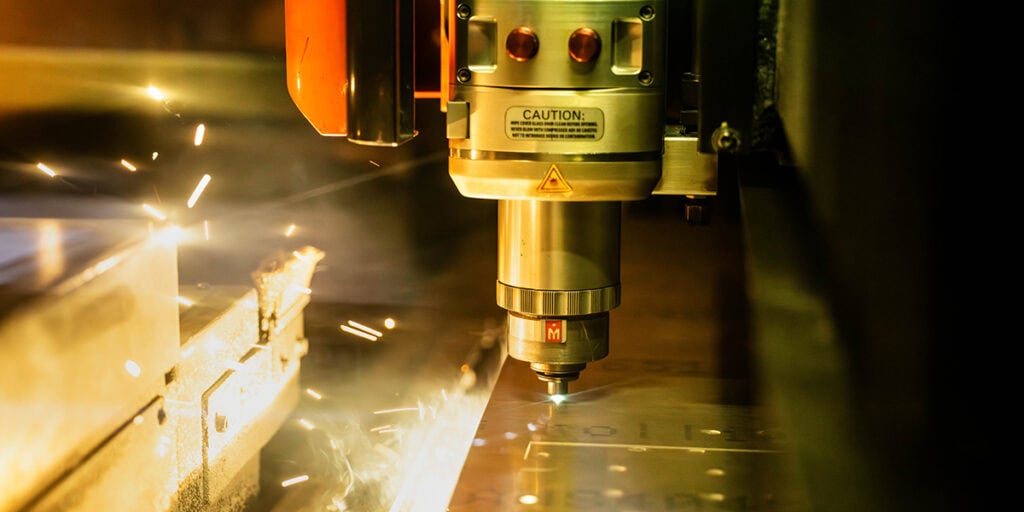
    close up of mazak laser cutter in action. sparks flying in background

    In this post, we’ll explore what laser cutting is, its major benefits, and why MET Manufacturing Group is your trusted partner for laser cutting services. Whether you’re in automotive, aerospace, or custom fabrication, understanding these advantages can help you optimize your manufacturing process and stay ahead of the competition.

    What is Laser Cutting?

    Laser cutting is a manufacturing process that uses a focused beam of light to cut and engrave various materials with incredible precision. The laser’s intense heat melts, burns, or vaporizes the material, leaving behind a clean, sharp edge. This technology is widely used in industries requiring detailed and complex cuts that traditional mechanical cutting methods cannot easily achieve.

    Unlike conventional cutting tools, laser cutting is a non-contact process, which reduces the risk of material deformation and tool wear. From thin sheets of metal to thick industrial-grade plates, lasers adapt to different materials including steel, aluminum, plastics, and even wood.

    Key Benefits of Laser Cutting

    Superior Precision and Quality

    Laser cutting offers a level of accuracy that traditional cutting tools simply cannot match. The beam width can be as small as 0.1 millimeters, providing incredibly detailed edges and smooth finishes. This precision means tighter tolerances and less need for secondary finishing work.

    For example, MET Manufacturing Group consistently achieves tolerance levels of +/- 0.005 inches, a crucial factor in industries like aerospace and automotive, where parts must fit perfectly to function safely and effectively.

    Increased Speed and Efficiency

    Speed is vital in manufacturing, and laser cutting systems can operate much faster than mechanical cutting tools. Because the laser moves rapidly across the material without physical contact, it minimizes setup time and maximizes throughput.

    MET’s advanced CNC laser machines can cut complex shapes in a fraction of the time it takes with traditional methods. This efficiency translates to shorter lead times, enabling you to meet tighter deadlines and reduce inventory costs.

    Versatility Across Materials and Designs

    From stainless steel sheets to acrylic panels, laser cutting handles a broad range of materials with ease. Additionally, it excels at producing intricate designs and complex geometries without compromising quality.

    This flexibility allows MET Manufacturing Group to accommodate diverse client requirements, whether it’s a prototype, custom order, or mass production run.

    Reduced Waste and Lower Costs

    Laser cutting minimizes waste and cutting costs. Automated torch head changes and quick setups reduce downtime—from 20–30 minutes to about 40 seconds—enabling more frequent small-batch runs. This flexibility cuts material scrap and improves throughput. Optimized gas usage lowers consumption by up to 25%, and cleaner cuts reduce the need for secondary finishing. These efficiencies enable faster, more cost-effective production with less waste (Source: The Fabricator, 2012).

    By choosing MET Manufacturing Group’s laser cutting services, businesses benefit not only from quality but also from significant cost savings.

    Real-World Applications of Laser Cutting

    Our laser cutting services have powered projects across multiple sectors:

    Automotive

    Automotive

    Precision cutting of metal panels and components that require accuracy and durability.

    Aerospace

    Aerospace

    Fabrication of lightweight, complex parts with tight tolerances.

    Medical Devices

    Medical Devices

    Creating intricate components from biocompatible materials.

    Custom Fabrication

    Custom Fabrication

    Producing one-of-a-kind designs with extraordinary detail.

    Learn more about our laser cutting capabilities and explore case studies showcasing our expertise.

    Why Choose MET Manufacturing Group for Laser Cutting?

    At MET Manufacturing Group, we combine cutting-edge laser technology with unmatched expertise to deliver superior results. Our team is dedicated to understanding your unique needs, from initial design consultation to final delivery. By incorporating industry best practices and utilizing state-of-the-art CNC laser cutters, we ensure precision, speed, and efficiency every step of the way. Moreover, our commitment to quality is backed by ISO certifications and rigorous quality control processes, giving you peace of mind that your parts meet the highest standards.

    Ready to experience the benefits of laser cutting for your business? Contact us today to discuss your project requirements and discover how MET Manufacturing Group can help you achieve precision and performance like never before.

    Contact MET Manufacturing Group