

Metal Fabrication 101: Choosing the Right Material for the Job
Comments Off on Metal Fabrication 101: Choosing the Right Material for the Job
Choosing the right material is one of the most important decisions in any fabrication project. The metal you select affects how a part performs, its longevity, and how much it costs to manufacture.
Because every application is different, there is no one-size-fits-all solution. Selecting the right material starts with understanding the part’s purpose, operating environment, and performance requirements.
You might be wondering, how do manufacturers determine the best material? Let’s dive into the process.
Material Selection Starts with the Drawing
Before a manufacturer can recommend a material, they need to understand the part itself. So, the process usually starts with the drawing.
A drawing provides dimensions, but also insights into how the part is designed, what it’s expected to do, and what challenges it may face throughout its life.
Several factors help guide the material selection process.
Part Geometry
The shape of a part matters more than many people realize.
A simple bracket and a highly detailed component may require very different manufacturing methods. Parts with tight tolerances, intricate features, or complex profiles sometimes need materials that work particularly well with precision manufacturing processes.
Thickness Requirements
Thickness can affect both the performance of a part and how it’s manufactured.
Thicker materials may be needed for strength and durability, while thinner materials can help reduce weight, lower material usage, and improve efficiency in certain applications.
Performance Expectations
Every part has a purpose.
Some components need to handle heavy loads. Others need to resist wear, maintain precise dimensions, or perform reliably over long periods of time. Understanding those expectations helps narrow down the best material options.
Environmental Conditions
Where will the part be used?
Will it be exposed to rain, humidity, chemicals, salt, or outdoor conditions? Materials react differently to different environments, so understanding those conditions is critical to making the right choice.
Industry Specifications
Many industries have specific requirements for the materials they use.
For example, aerospace, medical, defense, and electronics manufacturers often need materials that meet strict standards for performance, consistency, and quality.
Cost Objectives
Cost always plays a role in material selection.
However, the goal isn’t simply to choose the least expensive option. It’s about finding a material that delivers the required performance while staying within budget and supporting long-term value.
Once these factors are understood, manufacturers can compare material options and determine which one makes the most sense for the project.
What Factors Influence Material Selection?
No two projects are exactly alike, but there are several key questions manufacturers ask when evaluating materials.
Strength Requirements
How much stress will the part need to handle?
Some components experience significant force, pressure, or repeated use throughout their life. In those cases, strength becomes one of the most important factors in the decision-making process.
Weight Requirements
In some industries, every ounce counts.
Aerospace manufacturers, for example, are constantly looking for ways to reduce weight without sacrificing performance. Choosing a lighter material can improve efficiency and support overall product goals.
Corrosion Resistance
Will the part be exposed to moisture, chemicals, or outdoor conditions?
If the answer is yes, corrosion resistance becomes important. A material that can resist rust and deterioration will typically last longer and require less maintenance over time.
Temperature Exposure
Some parts operate in extremely hot or cold environments.
Not all materials respond to temperature the same way. Manufacturers must consider how heat or cold could affect performance, durability, and long-term reliability.
Conductivity
Some applications require a material that can transfer electricity or heat efficiently.
This is especially common in electronics, electrical equipment, and telecommunications applications, where conductivity plays a direct role in product performance.
Regulatory Requirements
Many industries have regulations, certifications, or standards that influence material choices.
Selecting materials that meet those requirements helps ensure product quality, reliability, and compliance.
How Material Selection Impacts Manufacturing Performance
Choosing the right material affects much more than the finished product.
It can impact how quickly a part is produced, how consistently it performs, and how much the project costs from start to finish.
When comparing materials, manufacturers often look at a combination of factors, including:
- Strength
- Weight
- Corrosion resistance
- Heat resistance
- Electrical conductivity
- Ease of manufacturing
- Cost
In most cases, there isn’t one perfect material. The best option is usually the one that provides the right balance between performance, manufacturability, and cost.
Manufacturing Processes Matter, Too
Even if a material performs well in the finished application, it still needs to work well during manufacturing.
Depending on the project, that may mean compatibility with processes such as:
- CNC machining
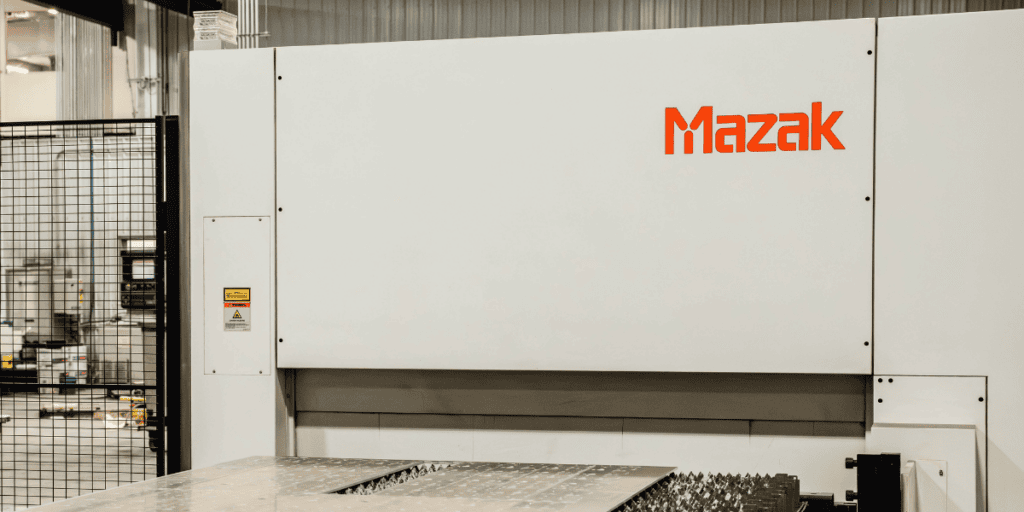
- Laser cutting
- Waterjet cutting
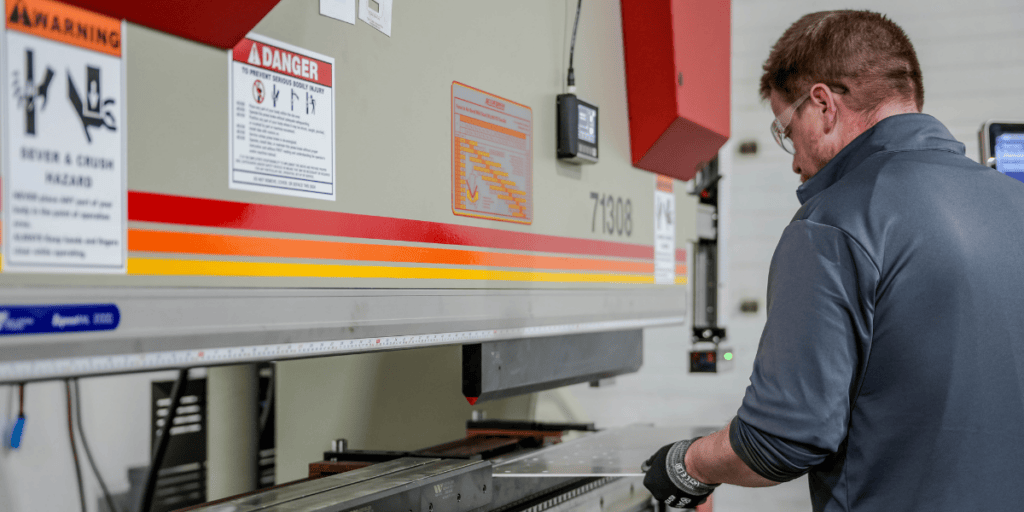
- Sheet metal fabrication
- Metal forming
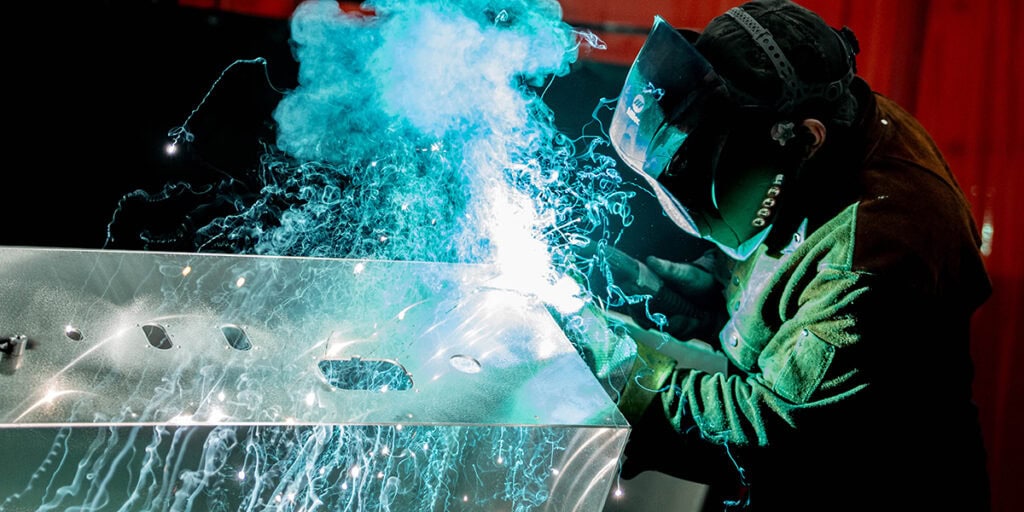
- Welding and assembly
A material that’s difficult to cut, form, or process can increase production time and costs. That’s why manufacturers consider both the application requirements and the manufacturing process when making recommendations.
Aerospace Manufacturing Applications
Why Material Selection Matters
In aerospace manufacturing, every component needs to be dependable. Parts must withstand demanding conditions while helping keep overall weight as low as possible.
Even small reductions in weight can contribute to better efficiency and performance, which is why material selection plays such an important role.

Aluminum Alloys
Common examples include:
- 6061 Aluminum
- 7075 Aluminum
These alloys are frequently chosen because they offer a strong strength-to-weight ratio, making them a practical choice for many aerospace applications.
Titanium Alloys
Common examples include:
- Grade 2 Titanium
- Grade 5 Titanium (Ti-6Al-4V)
Titanium is often used in demanding aerospace applications because it combines high strength with excellent corrosion resistance.
Stainless Steel
Common examples include:
- 304 Stainless Steel
- 316 Stainless Steel
Stainless steel is frequently used when durability and corrosion resistance are top priorities.
Medical Applications
Why Material Selection Matters
Medical components need to be dependable, precise, and easy to keep clean.
Many applications also require materials that can hold up to repeated sterilization without losing performance.

Stainless Steel
Common examples include:
- 304 Stainless Steel
- 316L Stainless Steel
These materials are often selected for medical equipment because they hold up well in environments where cleanliness is essential.
Titanium
Common examples include:
- Grade 2 Titanium
- Grade 5 Titanium
Titanium is valued for its combination of strength, durability, and corrosion resistance.
Nickel Alloys
Common examples include:
- Inconel® alloys
- Specialty medical alloys
These materials are often used in specialized applications that require reliable performance under demanding conditions.
Defense Applications
Why Material Selection Matters
Defense components are often expected to perform in tough environments where reliability is critical.
Whether facing extreme weather, harsh operating conditions, or demanding field use, these parts must be built to last.

Stainless Steel
Common examples include:
- 17-4 PH Stainless Steel
- 316 Stainless Steel
Aluminum Alloys
Common examples include:
- 6061 Aluminum
- 7075 Aluminum
Titanium Alloys
Common examples include:
- Grade 5 Titanium
These materials are commonly used because they provide a combination of durability, environmental resistance, and long service life.
Electronics and Telecommunications Applications
Why Material Selection Matters
Modern electronics and telecommunications equipment relies on small, precise components that need to perform consistently.
In many cases, those parts must also meet specific electrical, thermal, and environmental requirements.

Copper
Common examples include:
- Pure Copper
- Beryllium Copper
Copper is widely used because it is an excellent conductor of electricity.
Stainless Steel
Common examples include:
- 304 Stainless Steel
- 301 Stainless Steel
Stainless steel is often selected when strength and corrosion resistance are important.
Aluminum
Common examples include:
- 5052 Aluminum
- 6061 Aluminum
Aluminum offers a useful combination of light weight, durability, and corrosion resistance.
When highly detailed components are required, precision manufacturing methods become especially important. MET Manufacturing Group uses photochemical etching to produce intricate metal components for industries including electronics, aerospace, and medical manufacturing.
Why Different Industries Often Use the Same Metals
One thing that surprises many people is that the same material can be used across several industries.
The difference is usually the reason it’s being used.
Stainless Steel
Medical manufacturers often choose stainless steel because it’s clean and corrosion resistant.
Aerospace manufacturers may use it because of its durability.
Defense applications often rely on it for reliability in demanding environments.
Electronics manufacturers may use it for structural components and assemblies.
Aluminum Alloys
In aerospace manufacturing, aluminum is often selected to help reduce weight.
In electronics applications, it may be used to help manage heat.
In telecommunications equipment, its corrosion resistance can make it a practical choice.
That’s why there is no universal “best” material. The right choice always depends on the specific application.
Partnering With MET for Material Selection and Metal Fabrication
Selecting the right material is an important step, but it’s only part of the equation.
Having an experienced manufacturing partner can help ensure material choices align with both design goals and production requirements.
MET Manufacturing Group provides precision sheet metal solutions through photochemical etching, laser cutting, waterjet cutting, and other advanced fabrication processes. From prototype to production, we support projects across many industries. We support aerospace, medical, defense, electronics, electrical, and telecommunications, and many more.
In addition to fabrication services, MET offers:
- Photochemical etching
- Laser cutting
- Waterjet cutting
- Forming
- Finishing
- Assembly
- Value-added services
By providing multiple manufacturing capabilities under one roof, MET helps customers move from concept to production more efficiently while maintaining a focus on quality, delivery, and customer support.
Matching the Right Metal to the Right Industry
The best material is one that fits the part, the environment, and the goals of the application.
Whether the priority is reducing weight, resisting corrosion, improving conductivity, or meeting industry standards, material selection has a direct impact on performance, longevity, and overall cost.
Just as important, the material must work well with the manufacturing process. When the right material and fabrication method come together, the result is a more efficient production process and a better-performing finished product.
Working with an experienced manufacturing partner can help simplify that decision-making process and ensure your project starts on the right foundation.
Need Help Selecting the Right Material?
Whether you’re developing a prototype or preparing for full-scale production, MET Manufacturing Group can help you evaluate your options and identify the right material for your application. Contact the MET team to discuss your project and find a solution that supports your performance, manufacturing, and production goals.